A staircase is rarely just a method of moving from one level to another. Within a well-designed interior, it can become one of the strongest architectural features in the entire space, creating movement, establishing proportions, and connecting different areas of a building. Because stairways naturally attract attention, the materials and details used around them can significantly influence how the surrounding architecture is perceived. Metal stairway railings are particularly effective in this role because they combine structural presence with design flexibility. Their lines, profiles, finishes, and proportions can reinforce an architectural concept while adding a distinctive visual element to the staircase.
When homeowners, designers, and property developers consider staircase design, railings are sometimes treated as a secondary detail that is selected after the primary structure has been completed. In reality, a railing can have a substantial effect on the character of the finished stairway. A simple metal handrail can create a restrained and contemporary appearance, while a more elaborate configuration can introduce visual rhythm and craftsmanship. The right design can make a staircase feel lighter, stronger, more refined, or more dramatic without requiring unnecessary ornamentation. Explore https://www.83metalcraftboise.com/ for additional information.
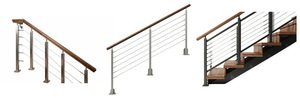
Railings as an Architectural Line
Architecture is heavily influenced by lines. Horizontal lines can create a sense of stability, vertical lines can emphasize height, and diagonal lines naturally introduce movement. Staircases already contain strong diagonal geometry, and metal railings can reinforce that geometry in a way that feels deliberate and cohesive.
The continuous line of a handrail can guide the eye along the staircase. Instead of allowing the railing to appear as a collection of separate components, thoughtful design can make it feel like one flowing architectural element. This is particularly effective when the railing follows the angle of the stairs with consistent proportions and carefully considered transitions.
Metal is well suited to this approach because it can be fabricated into clean profiles and precise shapes. Slim rails can create an understated effect, while larger profiles can give the staircase greater visual weight. The difference between these approaches may appear subtle on paper, but it can significantly change the way a space feels.
The railing can also help establish relationships between the staircase and other architectural features. Repeating a linear detail found in ceiling elements, windows, doors, cabinetry, or lighting can create visual continuity throughout the room. In this way, the railing becomes part of the architectural language rather than an isolated feature.
Creating Contrast Through Material
One of the most compelling qualities of metal stairway railings is their ability to create contrast with other materials. Wood stairs paired with metal railings can balance warmth and strength. Stone or tile can provide a substantial base against which metal introduces a lighter linear element. Glass can create transparency while metal provides definition and structure.
This contrast does not have to be dramatic. Sometimes the most successful combinations rely on subtle differences in texture and finish. A smooth metal surface against a textured wall, for example, can create visual interest without introducing additional colors or decorative elements.
Material contrast can also help prevent a staircase from feeling visually heavy. A solid stair structure may appear substantial, but a carefully designed metal railing can introduce openness through spacing and slender profiles. Conversely, a more substantial metal design can give a minimalist staircase greater definition when the surrounding architecture feels too plain.
The key is balance. The railing should complement the staircase and surrounding materials rather than compete with them.
The Influence of Metal Finishes
Metal does not have one universal appearance. The finish selected for a stairway railing can dramatically influence the character of the architecture. Smooth painted surfaces can create a crisp contemporary effect, while textured or more subdued finishes can introduce a softer industrial quality. Polished surfaces can reflect light and draw attention, while matte finishes tend to appear more restrained.
The finish should be considered alongside the other materials in the room. Hardware, lighting fixtures, door components, cabinet details, and other metal elements can create opportunities for coordination. When finishes are carefully selected, the railing can visually connect otherwise separate parts of the interior.
However, matching everything exactly is not always necessary. Designers can intentionally use contrast to create emphasis. A darker railing against a lighter environment can make the staircase stand out as a focal point. A more subtle finish can allow the architectural structure and surrounding materials to remain dominant.
The important consideration is consistency of intent. Whether the railing is meant to blend in or attract attention, its finish should support the overall design concept.
Minimalism and the Power of Simplicity
Modern architectural aesthetics often place considerable emphasis on simplicity. Rather than relying on decorative details, minimalist design uses proportion, geometry, material quality, light, and negative space to create visual interest. Metal stairway railings can work exceptionally well within this approach.
A railing with a clean profile and carefully spaced supports can provide everything a staircase needs visually without making the area feel crowded. The eye follows the geometry of the railing while still being able to see the staircase, walls, and surrounding space.
This sense of openness can be especially useful in smaller interiors. A bulky railing system can visually divide the room, while a streamlined metal design may provide necessary protection without creating the same sense of obstruction. The staircase can remain clearly visible, helping the entire room feel more connected.
Minimalism, however, does not mean that every railing should look identical. Even a simple design can be customized through dimensions, spacing, profiles, connections, and finishes. Subtle differences can produce a highly individual result while maintaining an uncluttered appearance.
Adding Visual Rhythm to the Staircase
Repeated elements are an important part of architectural composition. Columns, windows, wall panels, ceiling beams, and other features can create rhythm through repetition. Metal stairway railings can use the same principle through vertical balusters, horizontal members, geometric patterns, or carefully spaced supports.
The spacing of these elements influences how quickly the eye moves across the staircase. Closely spaced components can create a stronger pattern, while wider spacing can make the railing appear lighter and more open. The shape of each component can also affect the overall impression.
A railing does not need an elaborate pattern to create visual rhythm. Repetition itself can be powerful when the proportions are carefully controlled. Consistent spacing and alignment can make even a very simple railing feel refined.
This is one area where fabrication precision becomes particularly important. Small inconsistencies can become highly visible when repeated across a staircase. Accurate measurements, consistent welding or joining, and careful finishing all contribute to the architectural quality of the final installation.
Making the Staircase a Focal Point
Some interiors benefit from having a strong architectural focal point, and the staircase can provide an ideal opportunity. Because people naturally notice stairs as they move through a building, a distinctive railing can help transform an ordinary staircase into a defining feature.
A custom metal stairway railing can introduce a unique shape, pattern, or material relationship without requiring the entire staircase to be redesigned. The railing may follow a sweeping curve, incorporate geometric forms, or use a distinctive combination of profiles. These details can create character while maintaining the practical function of the railing.
However, a focal point should still belong to the architecture around it. If the railing is highly detailed while the rest of the room is equally visually busy, the result may feel overwhelming. A more restrained surrounding environment can allow an expressive railing to become the centerpiece without competing for attention.
The strongest architectural focal points usually combine distinction with restraint. They give the eye something to notice without making every element demand attention at the same time.
Connecting Different Levels Through Design
A staircase physically connects different levels of a building, but its design can also help connect different architectural zones. A metal railing can act as a visual bridge between floors by repeating materials, colors, or geometric elements found elsewhere.
For example, a metal finish used in the staircase can be echoed in architectural lighting or interior hardware. A particular linear pattern can appear again in partitions, wall features, or built-in furniture. These repetitions help establish continuity.
This is particularly useful in open-plan interiors where multiple areas are visible simultaneously. The staircase should feel like it belongs to the same design system as the surrounding spaces. A carefully integrated railing can help achieve that connection without requiring identical materials throughout the property.
The Importance of Proportion
Even a beautifully fabricated metal railing can look out of place if its proportions do not suit the staircase. The relationship between the railing, stair width, ceiling height, surrounding walls, and overall scale of the room should be considered during design.
A railing that is too visually heavy may dominate a narrow staircase. A very thin railing may become insignificant in a large architectural space. Similarly, the spacing of balusters or other components needs to feel appropriate relative to the stair dimensions.
Proportion is one of the less obvious elements of architectural aesthetics because people may not consciously identify it as the reason a design feels balanced. Yet it strongly influences perception. Good proportions allow the railing to feel naturally integrated with the staircase rather than added onto it.
Two design considerations are particularly important:
- Scale: The railing profile and visual weight should correspond with the size and architectural character of the staircase.
- Spacing: Repeated elements should be arranged consistently to create visual rhythm while supporting the intended openness or definition of the design.
These principles provide a foundation for customization without sacrificing harmony.
Metal Railings Can Complement Many Architectural Styles
Metal stairway railings are often associated with contemporary or industrial interiors, but their flexibility allows them to work with many architectural approaches. A simple profile can complement a traditional staircase when paired with appropriate materials. More decorative metalwork can add character to an otherwise understated interior. Clean geometric designs can reinforce contemporary spaces, while custom curves can soften an environment dominated by rigid lines.
The versatility comes largely from fabrication. Metal can be shaped, cut, joined, textured, and finished in numerous ways. This gives designers greater freedom to develop a railing that responds to the specific architecture rather than relying entirely on standardized components.
This adaptability is valuable during remodeling as well. A homeowner may want to preserve an existing staircase while updating its appearance. Replacing an outdated railing with a thoughtfully designed metal system can create a significant visual change without reconstructing the entire staircase.
Craftsmanship Becomes Part of the Design
A metal stairway railing is ultimately a fabricated architectural element, and craftsmanship has a direct effect on its appearance. Connections, welds, joints, edges, transitions, mounting points, and surface preparation can all become visible details.
High-quality fabrication aims to make these elements feel intentional. Clean connections and consistent geometry allow the design itself to remain the focus. Poorly executed joints or uneven finishes can distract from even the best concept.
This is why architectural metalwork requires both design understanding and fabrication skill. A drawing can establish the intended shape, but translating that concept into a finished railing requires accurate measurements, suitable materials, appropriate fabrication techniques, and careful installation.
The final result should feel like it belongs to the building. When craftsmanship is successful, the railing does not appear to be an afterthought. It becomes a natural extension of the staircase and surrounding architecture.
Durability Supports Long-Term Aesthetics
Architectural beauty has little value if a railing quickly deteriorates. Stairways experience constant use, and railings are frequently touched, handled, and exposed to everyday wear. Choosing suitable metal, protective finishes, and appropriate installation methods can help preserve both performance and appearance.
Durability is therefore part of aesthetics. A finish that remains consistent over time allows the original design to continue looking intentional. Strong construction also reduces the likelihood of loose components, damaged surfaces, or other conditions that can diminish the visual quality of the staircase.
Routine maintenance should still be expected. Cleaning, checking connections, addressing surface damage, and following appropriate care practices can help extend the life of the railing. Proper maintenance is especially important when the railing is positioned in a high-traffic area.
Designing a Railing That Belongs to the Building
The most effective metal stairway railings are not necessarily the most elaborate. Their success comes from how well they respond to the architecture around them. The railing should consider the staircase geometry, material palette, lighting, scale, circulation, and overall design language of the space.
A well-designed railing can make a staircase feel lighter without making it insignificant. It can add contrast without creating visual conflict. It can provide a focal point without overwhelming the room. Most importantly, it can transform an essential safety component into an architectural feature with genuine aesthetic value.
Ultimately, metal stairway railings enhance architectural aesthetics because they bring together line, proportion, material, texture, rhythm, and craftsmanship in a single functional element. Their flexibility allows them to complement a wide range of interiors while providing opportunities for customization that standard railing systems may not offer. When carefully designed and professionally fabricated, a metal railing does more than define the edge of a staircase. It contributes to the identity of the entire space.
For homeowners, designers, and property professionals considering a staircase upgrade, the railing deserves to be part of the design conversation from the beginning. Treating it as an architectural element rather than an afterthought can produce a more cohesive result and unlock possibilities for improving the character of the surrounding interior. With the right proportions, materials, finish, pattern, and craftsmanship, a metal stairway railing can quietly transform an ordinary staircase into one of the most memorable architectural details in the building.
